

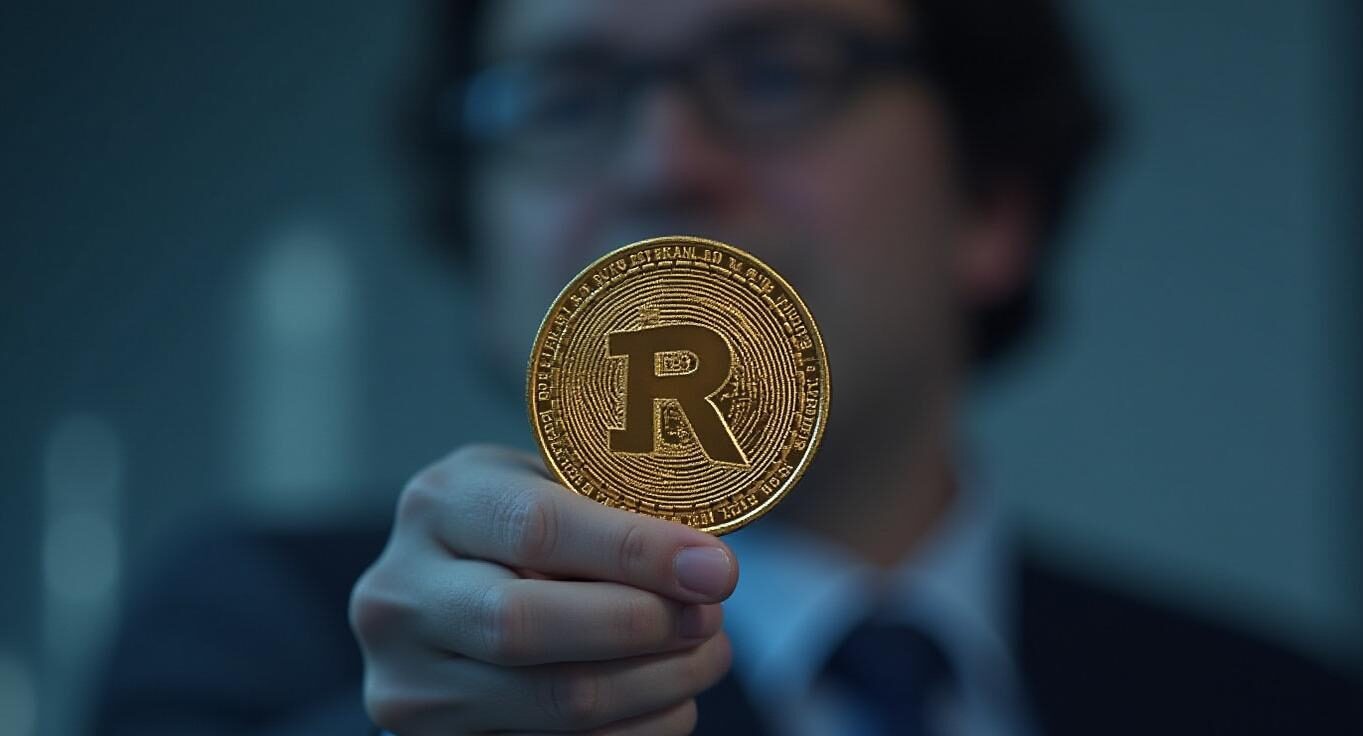
The Truth About PayPal’s Crypto Gamble: PYUSD Is Losing Ground Fast
PayPal Stock Rises Ahead of Q2 Earnings—But Its Stablecoin PYUSD Is Falling Behind
PayPal is showing signs of a strong stock recovery before its Q2 2025 earnings on July 31. But while investors are hopeful about the company’s performance, PayPal’s big crypto bet—its stablecoin PYUSD—is not performing well in the growing stablecoin market.
So, what’s going right for PayPal’s stock, and why is PYUSD losing ground?
PayPal Stock Gains on Strong Technical Signals
PayPal’s share price has climbed from about $55 in April to $77 recently. A key technical pattern called a golden cross—when the 50-day moving average moves above the 200-day average—suggests a bullish trend.
Earnings Expectations:
-
Q2 Revenue Forecast: $8.08 billion (2.5% YoY growth)
-
Q3 Revenue Guidance: $8.13 billion (3.6% YoY growth)
-
Earnings per Share (EPS): $1.30 expected
Investors are optimistic that PayPal’s revenue and profit will continue growing. But one product—PYUSD—is not living up to the hype yet.
PYUSD Is Struggling in the Stablecoin Market
Market Share Is Shrinking
PayPal launched PYUSD as a stablecoin backed 1:1 by U.S. dollars to compete with giants like Tether (USDT) and USD Coin (USDC). But after reaching a high of $1.02 billion, PYUSD’s market cap has dropped to about $890 million.
In comparison:
-
USDT: Over $163 billion
-
USDC: Around $64 billion
-
RLUSD (by Ripple): Grown to $577 million in just 8 months
PYUSD’s share of the $271+ billion stablecoin market is less than 0.5%—a concerning figure for PayPal’s crypto ambitions.
New Regulations Could Help—or Hurt
The GENIUS Act, passed by the U.S. Congress, requires stablecoins to be fully backed by dollars or Treasury bonds. That’s bad news for USDT, which is partly backed by crypto assets and gold—but good news for compliant coins like PYUSD and USDC.
If PayPal can prove PYUSD’s regulatory strength, it could win back trust and adoption.
Can PYUSD Become Profitable?
One of PayPal’s goals with PYUSD is to earn revenue by investing the backing funds in U.S. Treasury bonds, which currently yield around 4%.
Potential:
-
$900 million backing PYUSD × 4% yield = ~$36 million per year
But that income depends on growing PYUSD’s market size. So far, PYUSD isn’t catching on quickly enough to generate big profits.
Also, PayPal charges merchants 2.89% per transaction. That’s more expensive than most crypto networks, which could push merchants to adopt other stablecoins for cheaper payments.
What’s PayPal Doing to Boost PYUSD?
Despite its weak start, PayPal is aggressively expanding PYUSD with new features and partnerships:
-
Launching on Stellar blockchain to support low-cost global payments (pending NYDFS approval)
-
Integrated with Solana and Arbitrum blockchains for faster transactions
-
Aiming to onboard 20 million merchants to accept PYUSD
-
Offering 3.7% APY rewards to users who hold PYUSD in U.S. PayPal accounts
-
The SEC recently ended its investigation into PYUSD with no charges—removing a major regulatory cloud
These moves show PayPal still believes in PYUSD. But whether it can catch up to USDT or RLUSD is unclear.
What’s Next for PayPal?
In the short term, PayPal’s Q2 earnings and positive technical signals could push its stock price higher. The next resistance level is around $83 on the charts.
Long term, PYUSD’s success (or failure) could have a big impact on PayPal’s crypto strategy and future profits. The company needs to increase adoption quickly to stay competitive in the stablecoin race.
PayPal’s stock is doing well. But its stablecoin, PYUSD, is losing market share in a fast-growing and competitive crypto space.
With tighter U.S. regulations and powerful rivals like USDC and RLUSD gaining ground, PayPal must act quickly—or risk falling behind in the digital currency world.
Disclaimer: The above press release has been provided by a third party. We do not verify or endorse the content and will not be responsible for any inaccuracies, claims, or damages arising from the same.