

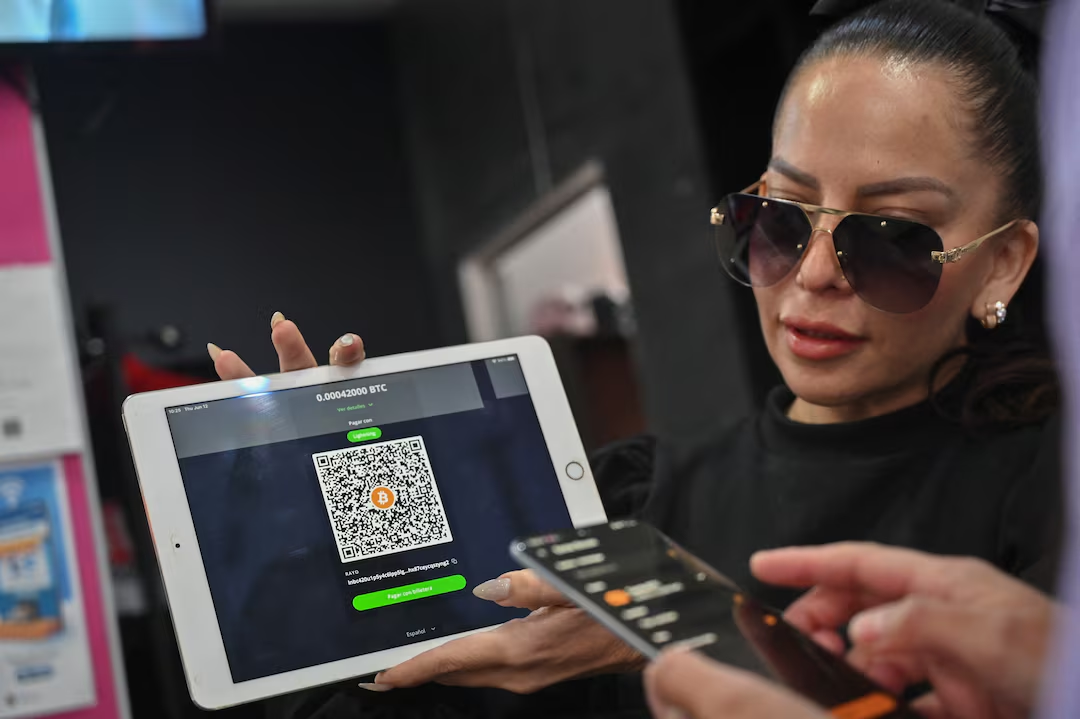
Desperate for Dollars, Bolivians Turn to Binance and Tether as Currency Collapses
Bolivia Turns to Crypto as Currency Crashes – Transactions Surge Over 530%
From Banned to Booming: How Cryptocurrency Became Bolivia’s Lifeline in 2025
Bolivia is in the middle of a financial crisis, and its people are turning to a surprising solution — cryptocurrency. After years of strict anti-crypto laws, Bolivians are now using digital assets like Tether and platforms like Binance at record levels to escape the economic chaos.
According to new data from Bolivia’s central bank, crypto transactions skyrocketed over 530% in the first half of 2025 compared to the same period in 2024. In total, over $294 million in crypto activity was recorded from January to June 2025, up from just $46.5 million the year before.
Let’s break down what’s happening — and why crypto is booming in Bolivia despite the risks.
Why Are Bolivians Using Crypto
Economic Crisis Is Driving People to Find Alternatives
Bolivia is facing one of its worst economic crises in decades:
-
U.S. dollar reserves are nearly depleted
-
Inflation has reached a 40-year high
-
Gasoline and fuel shortages have caused long lines at petrol stations
-
The Bolivian boliviano currency has lost 50% of its value on the black market
While the official exchange rate remains steady due to government control, the real value of the boliviano has collapsed — pushing ordinary Bolivians to look for safer places to keep their money.
That’s where cryptocurrencies come in. Many have started turning to stablecoins like Tether (USDT), which are pegged to the U.S. dollar, to protect their savings from inflation and devaluation.
Crypto Transactions Break Records
According to the Bolivian central bank’s report released Friday, monthly crypto transaction volumes hit $68 million in May 2025, a new national record.
Since the government lifted its crypto ban in June 2024, Bolivia has recorded:
-
$430 million in total crypto transactions
-
Over 10,000 individual operations using crypto for remittances, purchases, and payments
These transactions were mainly facilitated through electronic payment channels and virtual asset instruments.
The bank noted that crypto tools have helped small businesses and families make cross-border payments, receive remittances, and handle small daily purchases — especially in places where cash is scarce and foreign currency is hard to access.
From Ban to Boom: Bolivia Legalized Crypto in 2024
Until recently, using or trading cryptocurrency in Bolivia was completely illegal. The country had some of the strictest anti-crypto rules in Latin America, banning all digital asset activity.
But as the economic situation worsened in 2024, the government lifted the ban, realizing that citizens were already using crypto informally to survive the crisis.
Since then, crypto usage has exploded, and the government is now working on a regulatory framework for financial technology (fintech) companies that will:
-
Follow international standards set by GAFILAT (the Financial Action Task Force of Latin America)
-
Ensure safety, transparency, and compliance in the crypto space
-
Support innovation while preventing illegal use like money laundering
Crypto: A Lifeline or a Risky Gamble
Experts Warn This Isn’t a Sign of Economic Strength
While crypto use has helped many Bolivians cope with inflation, some economists warn that the crypto surge isn’t a good sign for the country’s financial health.
“This isn’t a sign of stability,” said Jose Gabriel Espinoza, former head of Bolivia’s central bank. “It’s more a reflection of the deteriorating purchasing power of households.”
He added that relying on crypto doesn’t fix the root problems — like shrinking foreign reserves, inflation, and poor government financial planning.
In other words, while crypto is acting as a temporary escape valve, it’s not a long-term solution to Bolivia’s deepening economic troubles.
What Are Bolivians Using Crypto For
According to the central bank, Bolivians are using crypto for:
-
Receiving remittances from family members abroad
-
Protecting savings from inflation and currency devaluation
-
Buying imported goods from online retailers or merchants abroad
-
Making small business transactions, especially when U.S. dollars are hard to get
Platforms like Binance, which allow easy crypto-fiat conversions, and Tether, which offers dollar stability, have become household names among Bolivia’s urban and tech-savvy youth.
What’s Next for Crypto in Bolivia
With crypto now playing such a vital role in everyday life, the Bolivian government has little choice but to regulate, not ban.
The upcoming regulatory framework is expected to:
-
Classify different types of digital assets
-
License and monitor crypto exchanges
-
Set rules for anti-money laundering (AML) compliance
-
Create tax guidelines for crypto-related income
Done right, these rules could boost confidence in digital assets and attract fintech companies to Bolivia. But a heavy-handed approach could risk driving crypto back underground.
A Nation in Crisis Turns to the Blockchain
In just one year, Bolivia has gone from a crypto-free country to one where nearly half a billion dollars has moved through digital assets.
The reasons are clear:
-
An unstable currency
-
Dollar shortages
-
Soaring inflation
-
Failing trust in the traditional banking system
For now, crypto is giving Bolivians hope — a way to save, trade, and survive in a collapsing economy.
But whether this turns into a sustainable financial revolution or a short-term patch depends on how the government and people handle the next steps.
Disclaimer: The above press release has been provided by a third party. We do not verify or endorse the content and will not be responsible for any inaccuracies, claims, or damages arising from the same.